3420 and complicating characters

Write no more than twenty words in response to these characterization prompts; then write the word “unless” and add twenty more words.

  1. What does the character think is funny?
  2. How does he or she feel about authority?
  3. Describe one meal or food your character really likes to eat.
  4. About what does he or she feel the most guilt?
  5. What sorts of things would your character never do to satisfy his or her desires?
  6. Who does your character love?
  7. When might your character behave heroically?
  8. To which aspects of his or her own personality is he or she blind?


Posted in Assignments | Leave a comment

2010 and literacy narratives

Here is another useful example of a literacy narrative.

Posted in Examples | Leave a comment

2250 and Starkey 71-73

Here is a PDF of a few pages of our English 2250 textbook. We will talk about them in class.

Posted in Assignments | Leave a comment

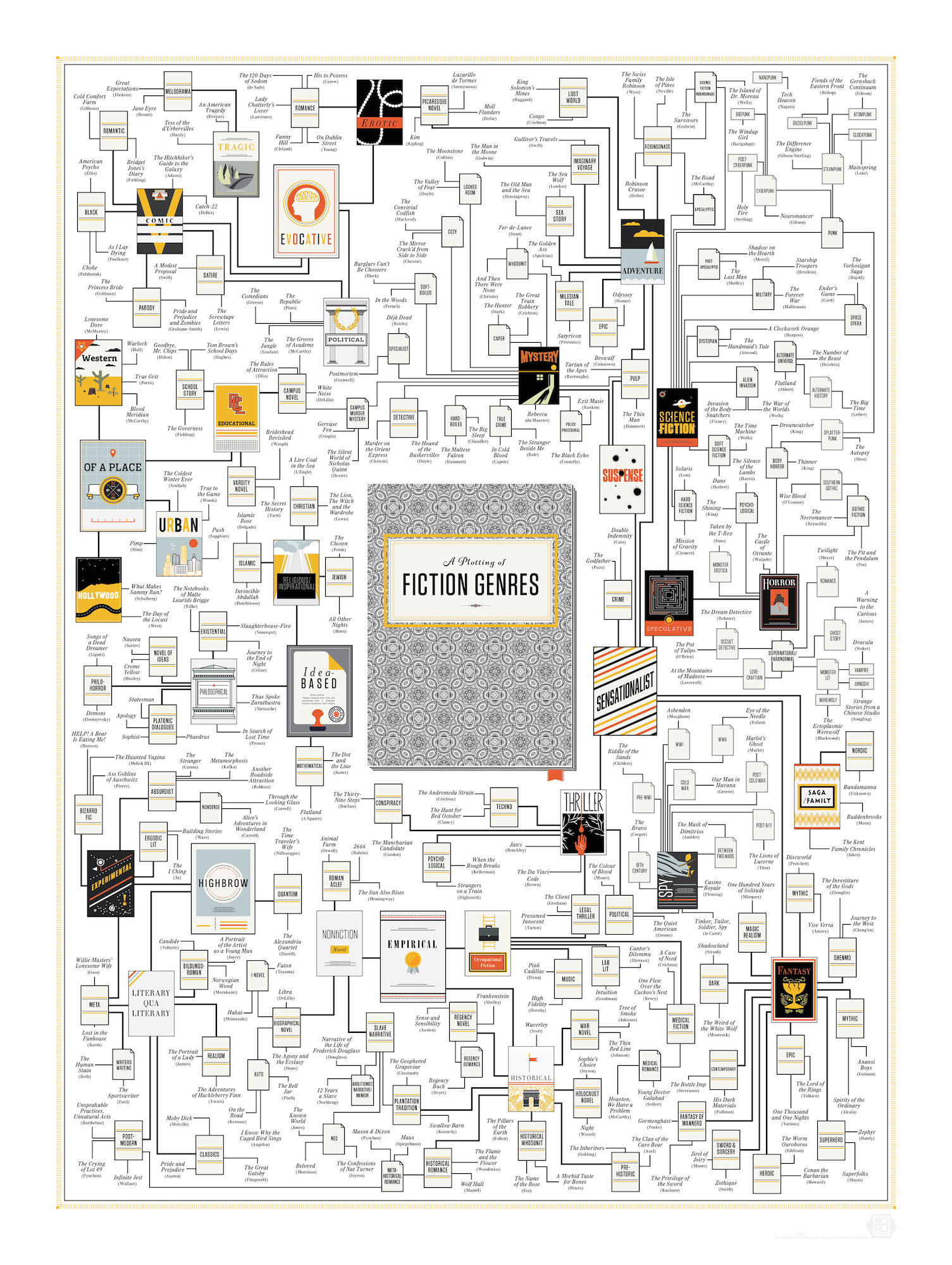
A map of genres (with examples)

From Mentalfloss, a plotting of genres.
P-LitGenres_02022015

Posted in Reading as writers | Leave a comment

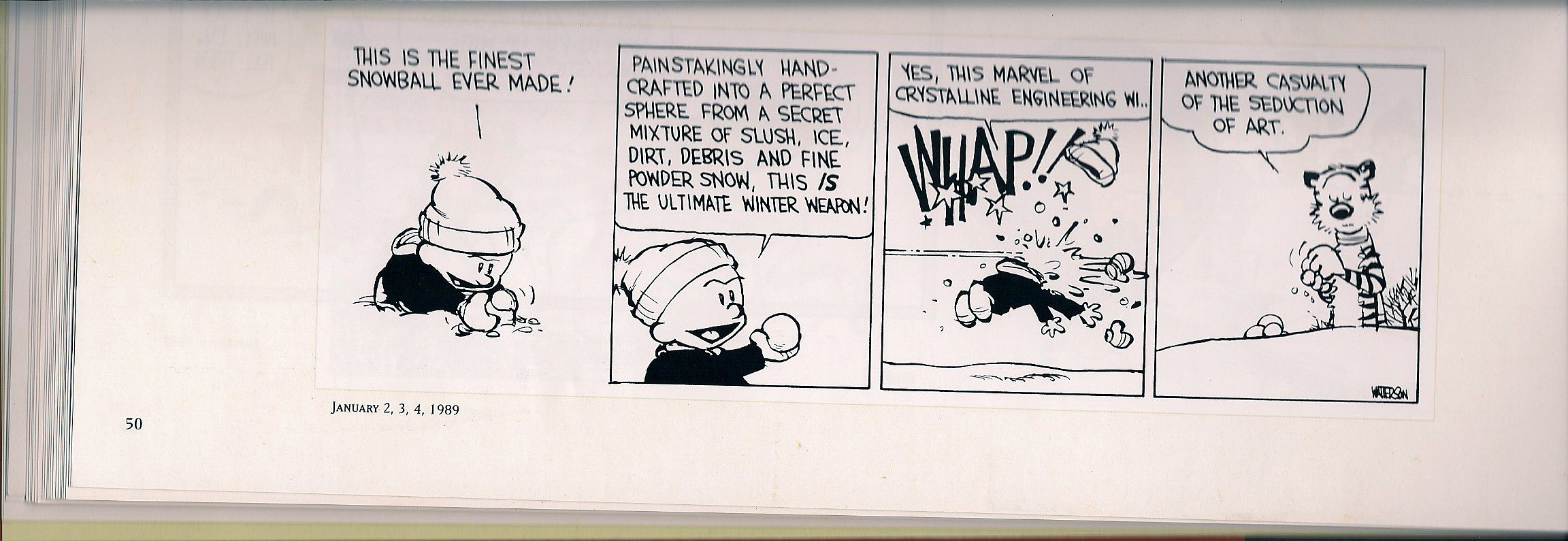
On loving what you’ve made too much

Be willing to revise. Don’t fall in love with your own snowballs. Or writing.

Snowball art love-own-words

Posted in More than you want to know | Leave a comment

First lines

According to the American Book Review, these are the best first lines of novel-length books.

Do you agree? What do the best of these have in common?

Posted in Examples | Leave a comment

The centrality of characterization

When people come together—let’s say they come to a little party or something—you always hear them discuss character. They will say this one has a bad character, this one has a good character, this one is a fool, this one is a miser. Gossip makes the conversation. They all analyze character. It seems that the analysis of character is the highest human entertainment. And literature does it, unlike gossip, without mentioning real names.

The writers who don’t discuss character but problems—social problems or any problems—take away from literature its very essence. They stop being entertaining. We, for some reason, always love to discuss and discover character. This is because each character is different and human character is the greatest of puzzles.

–Isaac Bashevis Singer

Posted in Quotations | Leave a comment

How Kazoo Ishiguro drafted The Remains of the Day in one month

Kazuo Ishiguro describes his process in interesting detail in this link.

Posted in Examples | Leave a comment

From character to plot

Consider this quotation: “Plot is about the word so, not the word and. It’s about because of the reason given; consequently; with the result that; in order that. . . . ‘When a character does something, he becomes that character; and it’s the character’s act of doing that becomes your plot.’ Can we, then, define plot as characters in action? Well, it’s a start. The action must be motivated, of course, must be causally sequential, must be credible, must be compelling. . . . Every action in the plot needs to be motivated, even if the motivation seems horrific or inexplicable. Reasonless action undermines plot. Plot is all about motive.”

–John Dufresne

Thinking about stories in “3D” (i.e desire + danger = drama) can be an effective way to give them a tentative structure or plot.

The prompts below will help you start generating a character-driven plot.

  1. What is the character’s desire?
  2. What action will this specific character take to reach that desire? (Just a quick, brief summary; you can make a scene later.)
  3. What “danger” keeps the character from satisfying that desire?
  4. How would this specific character respond to this specific danger? (Just a quick, brief summary; you can make a scene later.)
    • How does that response get them closer to what they want? What new, more-dangerous danger presents itself as a result of the character’s response? How might it complicate the story? Think of the phrase “yes, but . . .” (Just a quick, brief summary; you can make a scene later.)
    • OR
    • How does that response move them farther from what they desire? What new, more-dangerous danger presents itself as a result of the character’s response? How might it complicate the story? Think of the phrase “no, and . . .” (Just a quick, brief summary; you can make a scene later.)
  5. Thinking of your story, repeat number 4 at least two more times.
  6. What new action ends the danger? How does that action change everything, so that no new dangers can arise? (Just a quick, brief summary; you can make a scene later.)
  7. What happens when the character gets what he or she wants?

Consider these questions as well:

  1. What would the character NOT do to get what they want?
  2. What are the consequences of the character’s desires and efforts to get what they want for other characters? For how the character thinks of him or herself? How does the character cope with those consequences?
  3. How is this character’s heart in conflict with itself as the character tries to satisfy his or her desires?
  4. What dilemmas might this character face as he or she encounters dangers?
Posted in Writing tools | Leave a comment

English 4420 pre-writing samples

This is a link to one excellent example of the pre-writing assignment and here is another.

Posted in Examples | Leave a comment